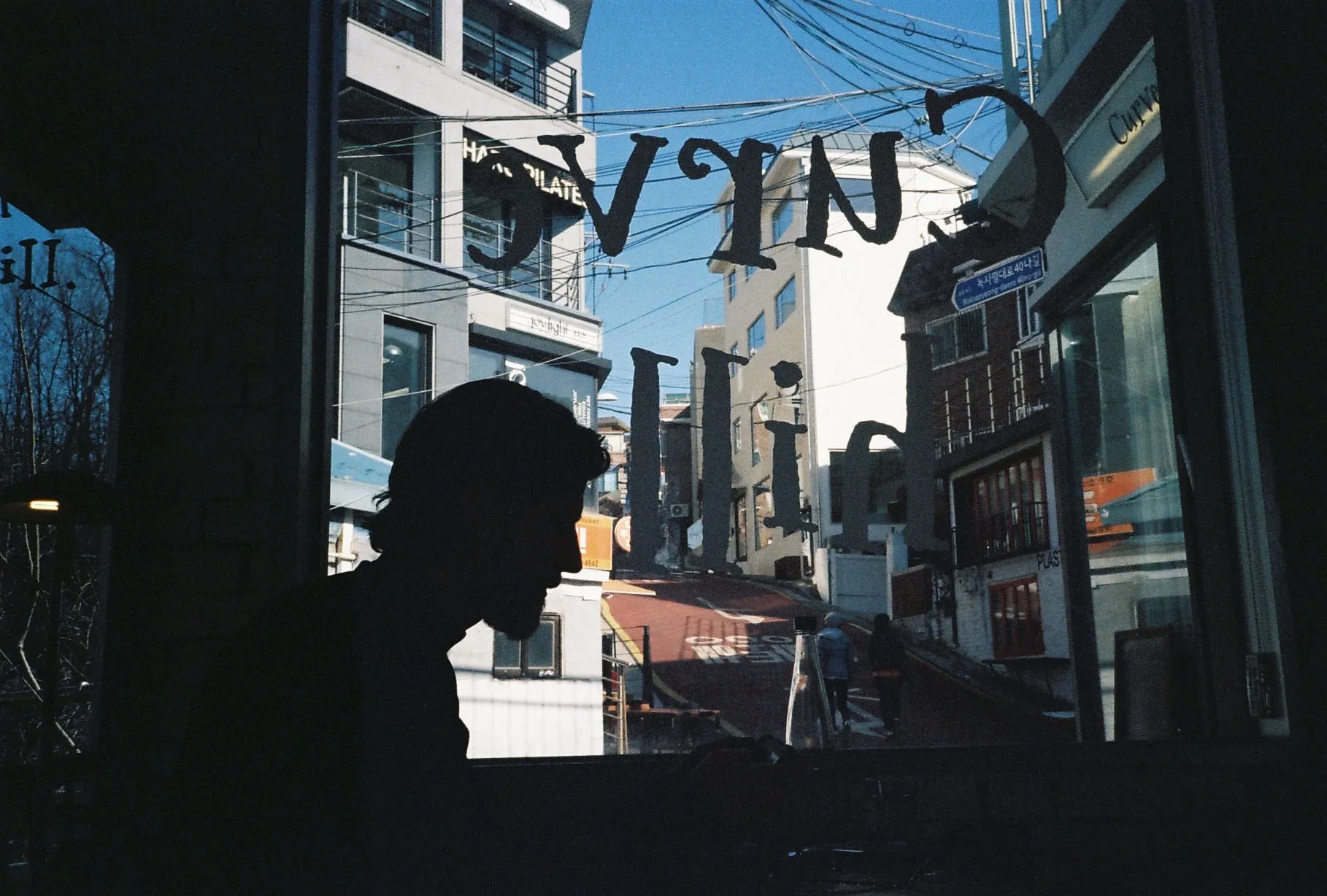
OMG Days
Four times a year, we step away from our normal work to get closer to the kind of good we talk about.


You know that feeling when you’re so locked in on the work, you forget why you started in the first place? Yeah, we’ve been there. So we built in a pause button. This is not about checking out, but rather to plug into something bigger. We call them OX Multiplies Good Days (or OMG days for short).
OMG Days started as an idea on a treadmill. Now they’re part of our company’s heartbeat. Four times a year, we step away from our normal work to get closer to the kind of good we talk about. It’s an invitation to get proximate. To feel the heartbeat of the work and the people it’s for. Sometimes that’s planting trees. Sometimes it’s lending a hand. Always, it’s a chance to be reminded that multiplying good starts with seeing, knowing, and loving the people right in front of us.
We sat down with our CEO Tony Sorrentino to hear where the idea came from, why it matters, and how it’s shaping who we’re becoming as a team.
So… what sparked OMG Days? Was there a moment that made you think, “You know what, the world needs more days like this”?
Yeah, there was a very specific moment, actually.
It’s spring of 2023. I’m on the treadmill, trying to convince myself that steps count as exercise, when Jesse (Oxford, OX Founder) pings me a rough cut of a podcast he’s been working on. He’s interviewing Tyler Riewer, who at the time was the creative director at a well-known NGO.
I pop in my earbuds, and Jesse and Tyler are talking about where the best creative ideas come from; they say it’s not the brainstorm, it’s not the boardroom. It’s being close to the work. Close to the people. Proximate.
Somewhere between mile two and three, that word just keeps bouncing around in my head: proximate. And then the question hits me: if proximity creates better stories, how are we multiplying that for our team?
Because that’s what we do at OX, we multiply good through campaigns, films, and brands that put people at the center. But what happens when you collapse the distance, when two people actually meet, without all the intermediaries?
That was the seed of it. At first, I thought about bigger things, you know, trips, immersive experiences, the kind of stuff that looks good on a vision deck. (And I still hope we’ll do some of that). But the math didn’t scale for a business our size.
So the idea evolved. Smaller. Bite-sized. A rhythm instead of a one-off. Four times a year. Not a day to check out, but a day to lean in.
That eventually became what we now call OX Multiplies Good Days. OMG Days for short. (And yes, you can thank-slash-blame me for that cheesy name.)
Why is this more than just a day off with a fancy name?
When I first started at OX, there was this thing called ATC Days. The ATC stood for “Air Traffic Control,” (which is about as intense a name as you can give to a comp day). And the intensity was well-placed!
ATC Days emerged in the early days of getting OX on its feet and the logic was simple: air traffic controllers don’t have easy days or slow seasons, so they have “circuit breakers” to give them rest and allow them to perform at 100%. They pull the plug and reset.
In the same way, ATC Days were a release valve for burnout, and in that season of our growth, a necessary one. Over time, our rhythms of replenishment settled into more of a groove and ATC Days were retired.
OMG Days feel like a rebirth of that idea, but with an updated heartbeat based on where we are now. These aren’t circuit breakers for physical or mental energy; they’re an infusion of meaning, purpose, and heart. They’re not about pulling the plug. They’re about plugging in: to people, to communities, to the kind of good that’s harder to measure but easier to feel.
In the old days, perhaps the greatest risk was sheer physical burnout. But today, we’re at just as much risk of going through the motions of good but missing how that good wants to move in us, through us as individuals. We could be advancing the mission of impactful organizations but lose touch with the humanity that “good” benefits, and a little of our own humanity in the process.
For me, that’s the connection to multiplying good in a personal way. It collapses the distance. It reminds us that “good” isn’t only what happens at the systemic level. It’s also what happens when you show up, face-to-face, and you remember what being human together actually feels like.
That’s a kind of good I hope we never outgrow.
What kind of good are we talking about here? Is this volunteering? Random acts of kindness? Helping your neighbour move house?
All of it!
The invitation for our team is intentionally broad because the real point isn’t to prescribe what “good” should look like, but to reconnect each of us to the experience of it.
For some people, it’ll be a nonprofit with a name badge and a task list. But for others, it’ll be something so ordinary you almost miss it. A coffee with someone who’s struggling. An afternoon spent helping a friend pack boxes.
Goodness doesn’t always come in systemic, organized packages. Sometimes it’s small and personal. And if we’re serious about multiplying good, then we have to practice noticing and responding to both.
How do OMG Days fit into OX’s long-term, 100-year vision?
Honestly, when the idea first came up, I wasn’t thinking about it through the 100-year lens. But the more I sat with it, the more it lined up. One of the key insights from Jesse’s research (into what sets 100-year organizations up for long-term impact) was this: organizations that last don’t just focus inward; they stay deeply connected to their communities.
That’s where OMG Days come in. They build proximity. They make “community engagement” more than a line in a brand deck.
Last year, I moved across the country, to Atlanta, Georgia, so this idea of community and proximity is especially relevant for me. I’m looking for places to invest my OMG Day each quarter, but I’m the new guy in town. This has me asking “What’s happening right here, in this new city that I now call home, that I can be part of?” It’s invited me to see my city, and myself in it, differently.
The point is, these small community ties add up. They tether us to place, to people, to purpose and that’s fuel for the long game.
Because here’s the danger of our line of work: if we only ever build campaigns about good, without actually touching or tasting the good ourselves, it becomes abstract.
Theoretical. Hypothetical. And abstraction leads to burnout.
OMG Days keep us close. They remind us why the work matters. They fill us with stories that make the mission real. And that, I think, is the kind of culture that sustains not only for a year or a project cycle, but for decades. Maybe even a century.
What’s your dream for how the team (and even the world) could show up to this?
If I could bottle it up (and this is going to sound pretty mushy but stick with me) the heart of OMG Days is about staying connected to the inextricable bond between goodness and love.
And I don’t mean a weak or sentimental kind of love. I mean the kind that sees broken systems and inequity and division and still chooses to show up. The kind that insists people matter, that curiosity is worth the risk, that connection is possible even when the world feels splintered.
That’s the dream, that (regardless of the form it takes) we’d use these days to look someone in the eye and say, “I see you. I care about you. You matter.”
And maybe, just maybe, that ripple spreads. Maybe the generosity compounds in ways we can’t measure.
Will it cost us? Sure. But what we gain is culture. A culture full of people who are tenderhearted, motivated, and armed with stories that make the mission tangible.
At the end of the day, it’s not about the hours. It’s about humans. And if OMG Days multiply love in us, and multiply good through us, then I’d say that’s an investment worth making.
The Power of Community
The Power of Curiosity
The Power of Legacy
The Power of Authenticity
The Power of Empathy
Beyond the Shot
OMG Days
ShareTheMeal
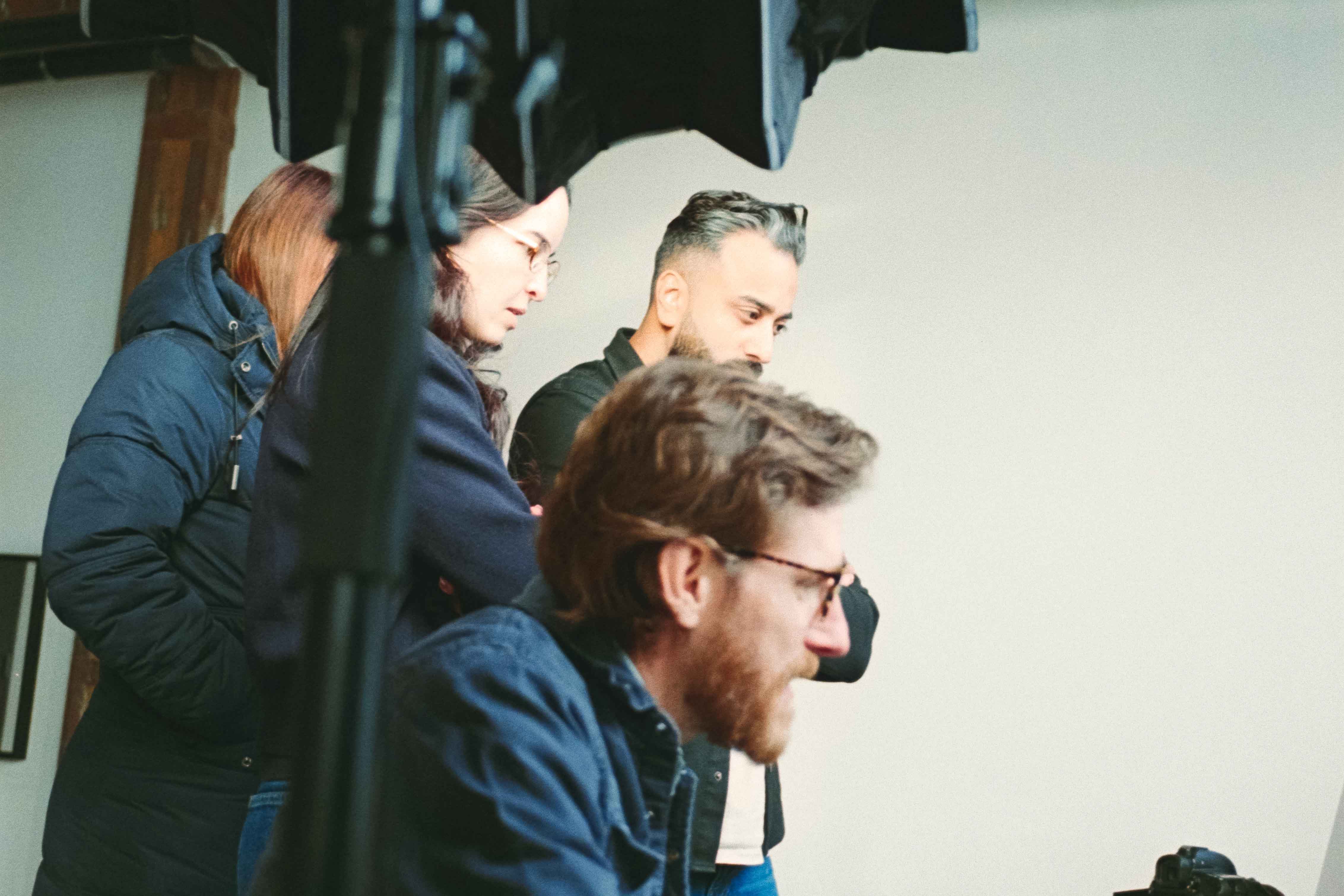
What (Really) Makes a Great Client?
Multiply Good
Here for Good | The 100-Year Vision.
Since you're already here, let’s invite your inbox into the conversation.
Thank you for subscribing.