Beyond the Shot
What cross-cultural productions teach us about crust, Culture, and cause-led creativity.
What Cross-Cultural Productions Teach Us About Trust, Culture, and Cause-Led Creativity
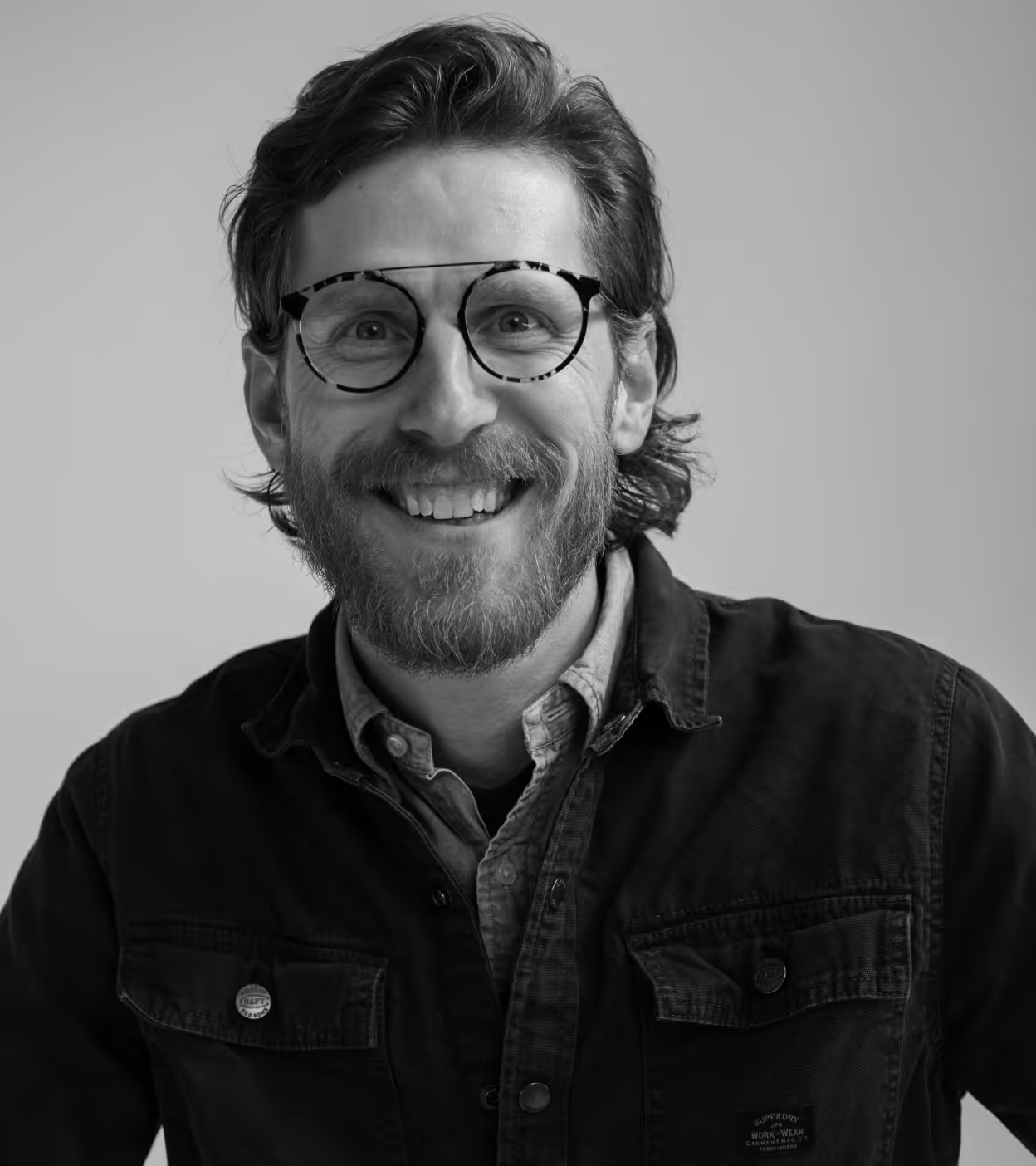
An Interview with our founder, Jesse Oxford.
At OX, we’ve been leaning into what it means to create across cultures. As our work with global and local organizations continues to grow, we’re paying closer attention to how we show up in spaces that aren’t our own.
This past month, our team wrapped up the latest OX Book Club, where we read The Culture Map by Erin Meyer. It sparked some good questions. About how we lead. How we listen. And how culture quietly shapes the way we all show up in the work.
The way our founder Jesse Oxford puts it, “The way we leave people we've interacted with can be just as important, if not more, than what we come back with. Especially when the work is cause-led. If we’re not careful, the production itself can harm the very impact our partners are trying to make.”
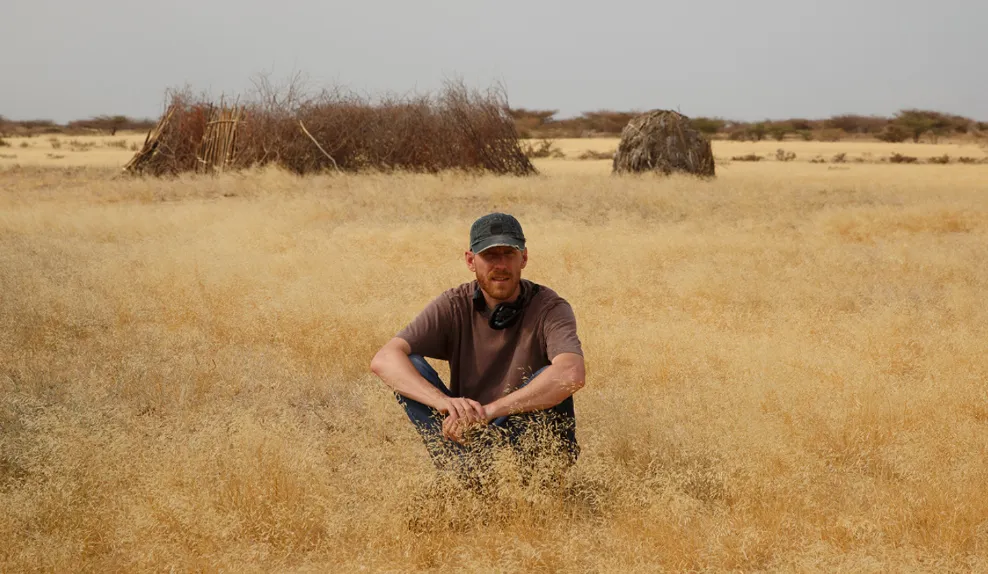
Jesse’s spent the last 20 years filming for cause-led orgs in places far from home. Every shoot brings its own complexities and every story calls for more than creative execution. It takes humility, curiosity and a willingness to earn trust.
So we sat down with Jesse to ask: What does it look like to create across cultures in a way that honors people, not just the project?
Let’s talk about it.
1. You’ve worked on shoots in some of the most remote, beautiful, and culturally complex places on the planet. What’s one principle you’ve learned about respecting and honoring local culture when entering a new environment as a storyteller?
One of the things I learned early on is that a lot of places have a reputation before you even get there. Whether it’s “this place is dangerous,” or “it’s slow,” or “beautiful,” I’ve carried those assumptions in. And I realized for years, I was telling stories that my culture had already written about that place before I even arrived. I went there, confirmed what I expected, and came back with a version of the story that reinforced my bias.
As time’s gone on, I’ve had to relearn again and again what it means to really honor and respect a place. I grew up in Taiwan, spent time in Venezuela, and have worked in Indigenous communities in Mexico. Each of those experiences taught me something, mostly by doing it wrong at first.
Over time, there was a shift for me. It became less about “how do I tell this story” and more about “how do I show up and steward your story?” I bring the skills of a filmmaker, but your lived experience is the one worth telling. I want to use my creative and technical skills to bring that story to life in a way that resonates with the audience it’s for. That requires me to set aside my assumptions and learn, every time, how to tell that story with integrity.
2. In past projects, you’ve shared the importance of “meeting with the chiefs”, whether that’s local elders, organizational leaders, or key decision-makers. Can you describe a moment when making that connection changed the outcome of a production?
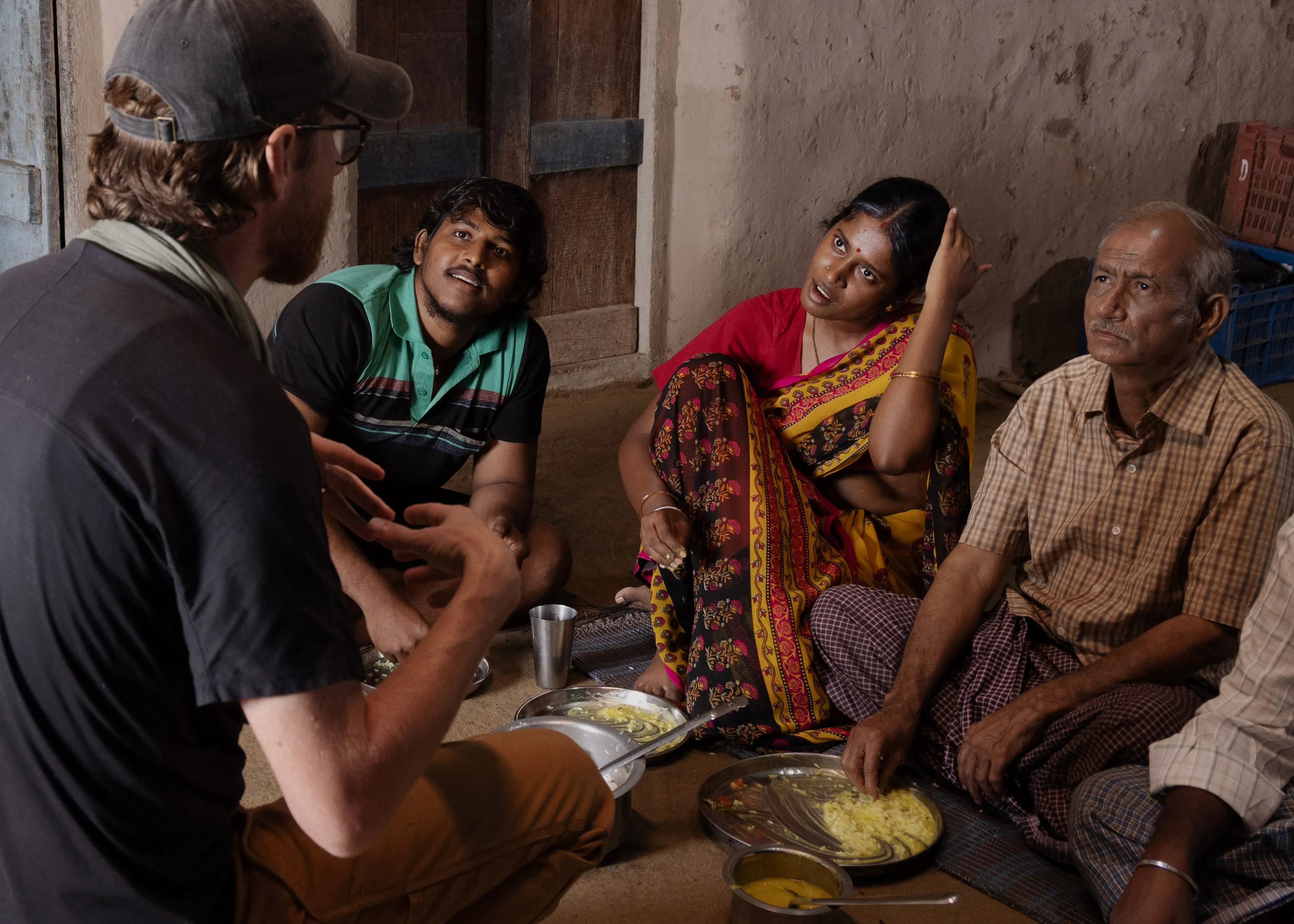
There are times when you meet a literal chief, and other times when you meet a key gatekeeper. Either way, once you have their blessing, everything changes. You're no longer seen as an outsider. People open up. They want to help.
In more individualistic cultures, like the U.S., we don’t think this way as much. But in more collective cultures, the leader’s endorsement matters. Without it, you can be completely blocked.
I remember filming in Africa and there was a school we wanted to film at, and the head of the Department of Education wanted to sit down for a meeting and take us on a two-hour tour. Honestly, none of it was relevant to the cinematic piece we were making. But until we gave him that time, we weren’t going to get permission to film.
Same thing happened in India. We had a leader who asked us to tour a hospital (not part of our shoot at all). But later, I realized this wasn’t about the hospital. He had two people on his team, and one was being featured on camera, the other was not. This was his way of showing value to the other. That tour? It honored someone who might’ve otherwise felt left out. And after that, we had the full support of the team. Even seven people who would drive six hours for us if needed.
That initial connection is more than a formality. It’s relationship-building. It’s honor. And if your schedule doesn’t include time for that, it should.

3. International productions often don’t go exactly as planned. What has working globally taught you about balancing structure (like a call sheet) with flexibility? How has “slowing down to speed up” played out in real time?
That India story is a perfect example. Or another time, in the Middle East, we landed ready to tell the story of a boy who had survived a violent attack. But when we arrived, our host team said it was too fresh and traumatic. They offered us a different subject. Someone we hadn’t researched. We met him the next day, and had to pivot completely.
When you work with people who are seasoned and open, you can discover beauty in the unplanned. We believe sometimes the best scenes are the ones you stumble upon, not the ones you storyboarded.
When you’re young, you rely on the plan because you lack experience. But later, you can loosen your grip and say, “Okay, what story is this space telling?” And that’s when magic happens.
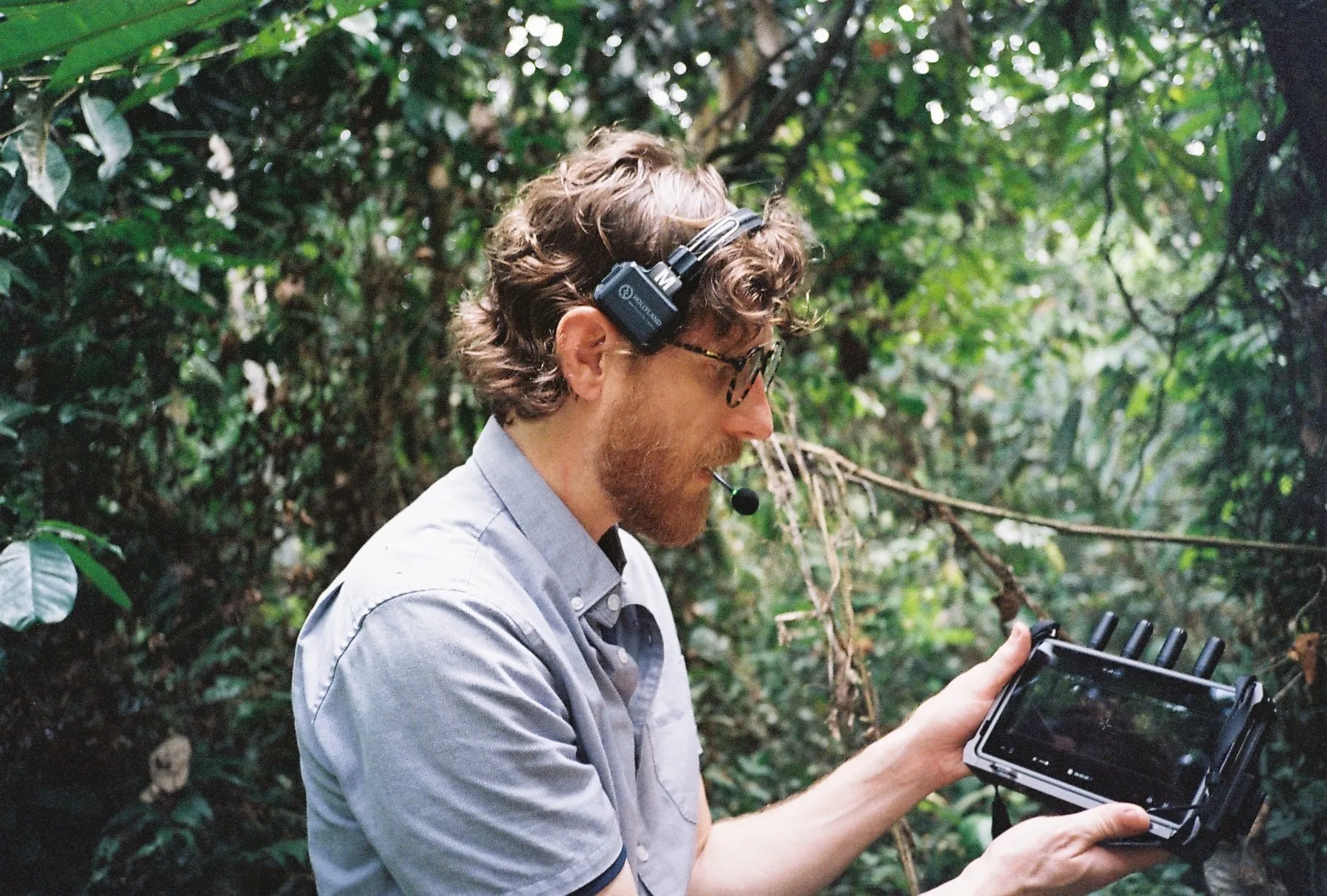
4. Language and cultural nuance can make communication tricky, especially when words like “yes” carry different meanings. How do you build trust and establish clear expectations with local teams or collaborators from different cultural backgrounds?
The first thing: give people space to say no. If all your questions are yes/no, or you’re always giving commands, there’s no room for someone to disagree without creating conflict.
Instead, I’ll say, “I was thinking of this; what do you think?” Or, “Can you imagine a better way to do this?” That opens the door.
Trust also starts with how you land. You might be jet-lagged, but that first dinner together? It matters. That’s when you begin building rapport. I’ve learned to prepare myself so I can be present in those moments.
And there are small cultural things, like accepting a bowl of soup even if you’re not hungry, because it’s a gift. Or knowing when to shake hands, or not. I once refrained from shaking hands with women at a home out of respect, only to be told later it was okay in that context. So I adjusted. You have to stay aware and let local partners guide you.
Sometimes, shouting is just normal. It’s not disrespect, it’s just how a particular culture communicates. So you don’t take offense. Other times, quiet moments hold the most weight. Knowing which is which? That’s part of building trust.
5. We talk a lot at OX about multiplying good not just in what we make, but in how we make it. Can you share an example of how you’ve seen storytelling open doors or spark transformation for someone behind the camera?
There was a faith-based project we worked on, and one of our crew members came from a different religious background. He took the job for the money and told me that straight up.
But after just one day, he said, “Actually, this story needs to be told.” He stayed not because of the paycheck, but because he believed in the message. And this was someone who, at first, wasn’t sure if he wanted to be there at all.
To me, that’s powerful. It wasn’t about converting anyone, it was about how we treated the story. We honored both perspectives. That created space for someone from a different background to say, “I believe in this.”
6. When things go sideways (gear breaks, locations fall through, or plans shift), how do you hold the creative vision while embracing constraint? What’s helped you innovate on the fly without losing the heart of the story?
What kills creativity in those moments is emotional reactivity.
If you respond with anger or panic, you shut down. You can’t create from that place. You have to feel what you feel, grieve the lost plan if you need to, but then let go.
Instead of saying “this ruined everything,” I try to ask, “What if this is a blessing? What if this change is here to make the story better?” That shift, seeing the interruption as an invitation, helps me stay grounded and curious, not frustrated.
If I can hold onto that mindset, even when clients don’t, we still get to the heart of the story.
Any Final Thoughts?
Learning to tell stories cross-culturally has made me a better storyteller within my own culture. Because even in your own community, people carry different experiences, values, and family cultures. If you’ve learned to listen well and honor difference abroad, you’ll show up more thoughtfully at home too.
I don’t believe cross-cultural storytelling is a niche skill. It’s essential. It expands your creativity, your empathy, and your ability to tell honest, human stories anywhere.

The Power of Community
The Power of Curiosity
The Power of Legacy

The Power of Authenticity
The Power of Empathy
Beyond the Shot
OMG Days
ShareTheMeal
What (Really) Makes a Great Client?

Multiply Good

Here for Good | The 100-Year Vision.
Since you're already here, let’s invite your inbox into the conversation.
Thank you for subscribing.