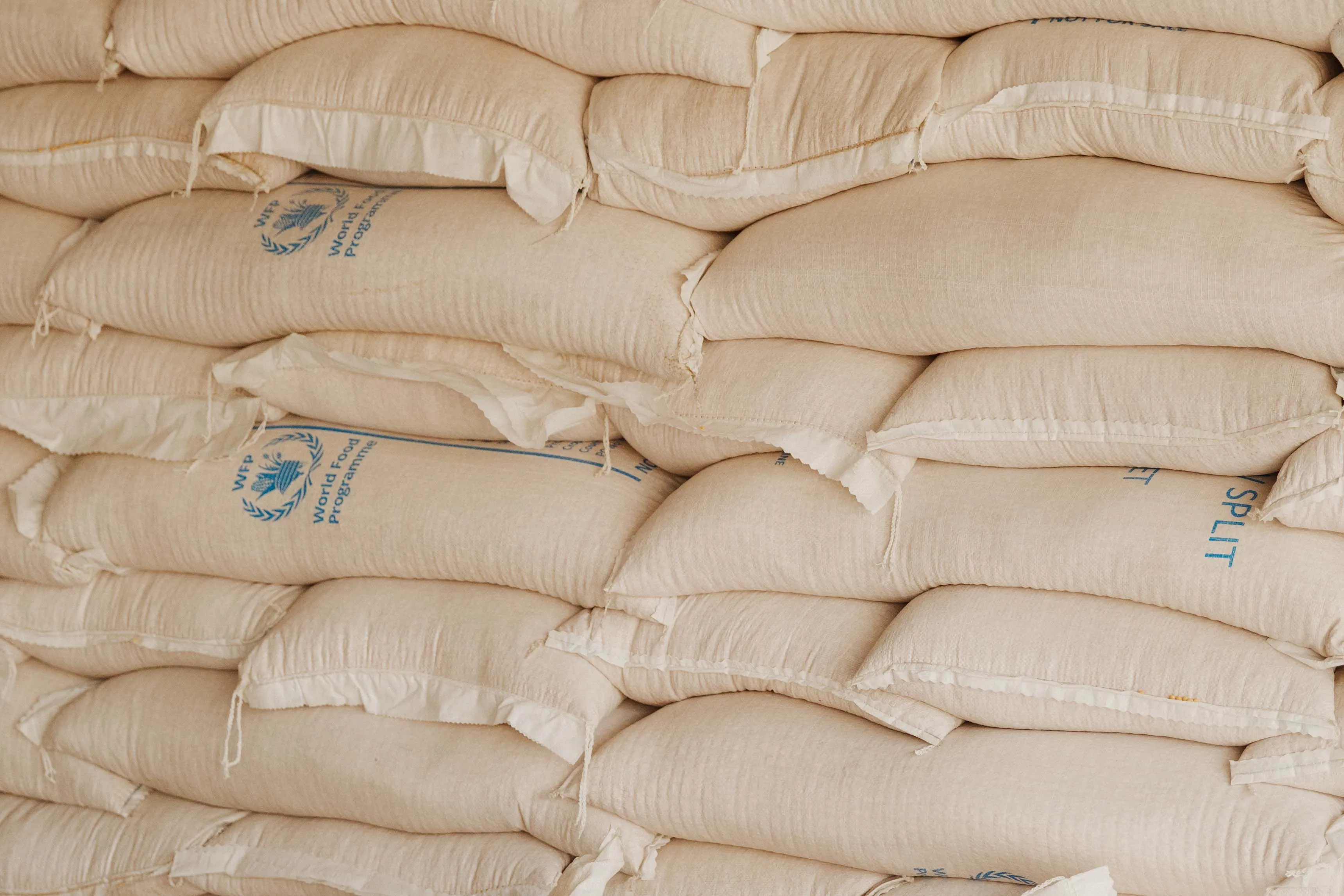
ShareTheMeal
How one app is rewriting the rules of giving

What can ShareTheMeal teach us about moving people to action?
Hunger affects 783 million people worldwide. It is urgent. It is solvable. And it is being tackled in a way that is both modern and deeply human through the United Nations World Food Programme’s ShareTheMeal app.
Simple to say and ambitious to achieve, their mission is simple: end global hunger. ShareTheMeal invites anyone, anywhere, to help move toward that goal with just a few taps on their phone. Donations are converted directly into meals delivered where they are needed most. The app makes it clear that you are not only giving but you are also taking part in a global effort that could change the trajectory of lives.
But here’s where it gets interesting. Beyond the app itself, ShareTheMeal gives us a playbook of what fundraising can look like in the digital age. If you’re building fundraising campaigns that move people to action, there is a lot here to pay attention to.
Accessibility Meets Agency
One of ShareTheMeal’s most effective shifts is giving donors choice. The app presents a range of causes, from helping families in South Sudan to supporting school meals in vulnerable communities. This gives people agency over their giving and makes their donation feel more personal.
Each cause comes with clear, quantifiable outcomes. A campaign for Afghanistan might aim for 2.2 million meals, showing both progress made and what is left to reach the goal. Donors see exactly how many meals their gift will provide, whether it’s one or one hundred.
Donors can also see how many people have already given to a cause. It seems like a small detail, but it carries weight. Social proof matters. When people notice others stepping up, it signals that this is a cause worth rallying around. If someone cares about a cause or a specific region affected, seeing a community of others giving can spark that extra nudge to act too.
The takeaway: Choice and clarity are powerful. When people know where their money is going and feel agency in that decision, trust grows and action follows. For those of us building fundraising campaigns, we can ask ourselves: how can we give people that same sense of agency and transparency?
Gamifying Giving, Tastefully
ShareTheMeal rewards donors with achievement titles like “First Responder” or “Peacemaker.” These small touches create a sense of identity and progress tied to generosity.
Gamification taps into our love of progress. Badges, points, milestones can turn simple actions into something that feels rewarding. When done right, it doesn’t just make fundraising more engaging, it keeps people coming back, building loyalty along the way.
The takeaway: Recognition fuels momentum. Gamification does not have to trivialize serious causes. Done well, it can keep supporters engaged and returning. What kind of playful but purposeful recognition could you build into your own donor journey?
Storytelling that Builds Trust
Big numbers don’t always spark big feelings. In fact, they can do the opposite. Psychologist Paul Slovic calls it psychic numbing. When statistics get so large that our empathy shuts down and the more people impacted, the harder it is to truly feel the weight of it.
ShareTheMeal intentionally goes beyond numbers. They weave in real stories, human-first photography, and even details like what goes into a local food basket, tailored to cultural diets, not a one-size-fits-all image of aid. Donors also get field updates and context that ground the crisis in lived reality. Together, these touches remind us that it’s not “millions in need,” it’s people, like us, who need our help.
Every photo is taken with dignity at the center. No child, no adult, is ever framed to pull pity or strip away agency. Instead, images are crafted to honor people as they are, not as victims, but as humans with voice, strength, and story. This subtle shift changes the dynamic: the subject isn’t waiting for a savior, and the viewer isn’t cast as one. Both stand side by side, co-creators in change.
The takeaway: Stories and human-first photography add depth where numbers stop short. Data shows progress. Stories and photography show humanity. Blending the two helps people not only believe the cause is real, but feel they are part of it. Where could you layer more cultural awareness and human detail into your own storytelling?
Meeting Audiences Where They Are
ShareTheMeal doesn’t wait for audiences to come to them. They run campaigns with influencers like Dylan Page on TikTok, meeting people in digital spaces where they already spend time.
People trust people. The right voices can open doors to new audiences, build real credibility, and spark action in ways a brand can’t always do on its own.
The takeaway: To inspire action, you have to show up where your audience already is. The real power isn’t about shouting louder in new spaces, but rather about joining the right conversations with the right voices and letting trusted communities multiply the impact of your cause.
The Donor Experience is a Journey (Not a Transaction)
A donation can feel like swiping a card and moving on. Or it can feel like the start of something bigger. When we treat giving as a journey, not a transaction, we create touchpoints that invite donors to stay curious, stay connected, and see the story of their impact unfold over time. It’s about building a narrative arc where the donor becomes part of the change they care about. ShareTheMeal guides donors from awareness to retention by weaving choice, clarity, and storytelling into every stage. From the first moment of discovery to seeing progress updates and earning achievement badges, giving feels less like a one-off action and more like an ongoing story you’re part of.

Here are some of the key functions across the funnel that keep donors curious, engaged, and coming back.
1. Awareness → “I know this cause exists.”
- Compelling storytelling through images, headlines, and short cause descriptions
- Cultural context explaining why hunger is urgent in specific regions
- Influencer partnerships to reach audiences in their existing digital spaces (TikTok, Instagram)
2. Consideration → “I’m thinking about taking action.”
- Cause choice so donors can select an issue they care about most
- Transparency about how funds will be used (e.g., “Your gift will provide 35 meals”)
- Social proof to show number of people who’ve already supported
- Impact previews that include a tracker that displays progress toward meal goals before giving
- Clear cultural tailoring (explaining what’s in a local food basket and why)
3. Conversion → “I’m taking action.”
- Simple, mobile-first interface with a few taps from intent to donation
- Immediate feedback showing the exact number of meals funded
- Urgency cues to highlight remaining number of meals needed to hit the goal
- Flexible giving options (one-time or recurring monthly)
- Secure payment methods optimized for speed and trust
4. Retention → “I’ll keep coming back.”
- Gamification such as donor titles and achievements (e.g., First Responder, Peacemaker)
- Progress updates on causes supported
- Location maps so donors can see where they’ve helped
ShareTheMeal is a smart reminder of how digital tools can make giving feel personal, immediate, and connected. For anyone working to inspire action, it is worth paying attention to how approaches like this are reshaping what fundraising can look like.

The Power of Community

The Power of Curiosity
The Power of Legacy

The Power of Authenticity
The Power of Empathy
Beyond the Shot

OMG Days
ShareTheMeal

What (Really) Makes a Great Client?
Multiply Good
Here for Good | The 100-Year Vision.
Since you're already here, let’s invite your inbox into the conversation.
Thank you for subscribing.