World Vision International
Don’t Call It Charity. Call It Change.
Charity has become a complicated word.
The desire to care for others remains deeply human. At the same time, the environment surrounding generosity has changed. People encounter global crises through the same devices they use to organize their daily lives. Appeals for help appear beside news alerts, social feeds, and the constant movement of information that shapes how the world is experienced.
Inside that environment many people still carry a desire for their lives to contribute to something meaningful. The challenge comes when people struggle to see how their intention leads to real impact. When crises arrive continuously and attention moves quickly, support can begin to feel temporary.
That gap between intention and impact is exactly what World Vision’s child sponsorship model is designed to close. By linking one person’s commitment to a child growing up inside a community where World Vision invests in education, water access, healthcare, and local leadership, the model creates a relationship that opens into something larger. A development approach that gradually strengthens communities until they reach self-sufficiency. The campaign began with the task of bringing that larger story back into view.
The lifecycle of change
Public narratives around generosity often begin with need. Images, statistics, and personal stories introduce the moment where help becomes urgent. What follows those moments is harder to see, and that gap shapes how people relate to giving over time.
When generosity is framed repeatedly through isolated moments of need, audiences are pulled into an immediate emotional response with little continuity. Over time, this pattern can quietly erode a person’s capacity to feel the weight of what they are seeing. People are left wanting to care but unsure whether caring makes a difference. Without a sense of how change unfolds across time, engagement becomes harder to sustain because the story offers no continued role beyond a single moment of response.
Child sponsorship works precisely because it offers that continuity. When people can follow how early support contributes to ongoing change within a child’s life and their wider community, commitment begins to take on a different meaning. Sponsorship becomes something that can be followed, understood, and trusted as it unfolds, supporting not only the decision to begin but the willingness to stay engaged as the impact grows. That quality of continuity became the creative foundation the campaign was built on.
Challenging what charity looks like
If continuity was what made child sponsorship meaningful, then the campaign needed to make that continuity felt. OX built the concept around an invitation to see giving differently.
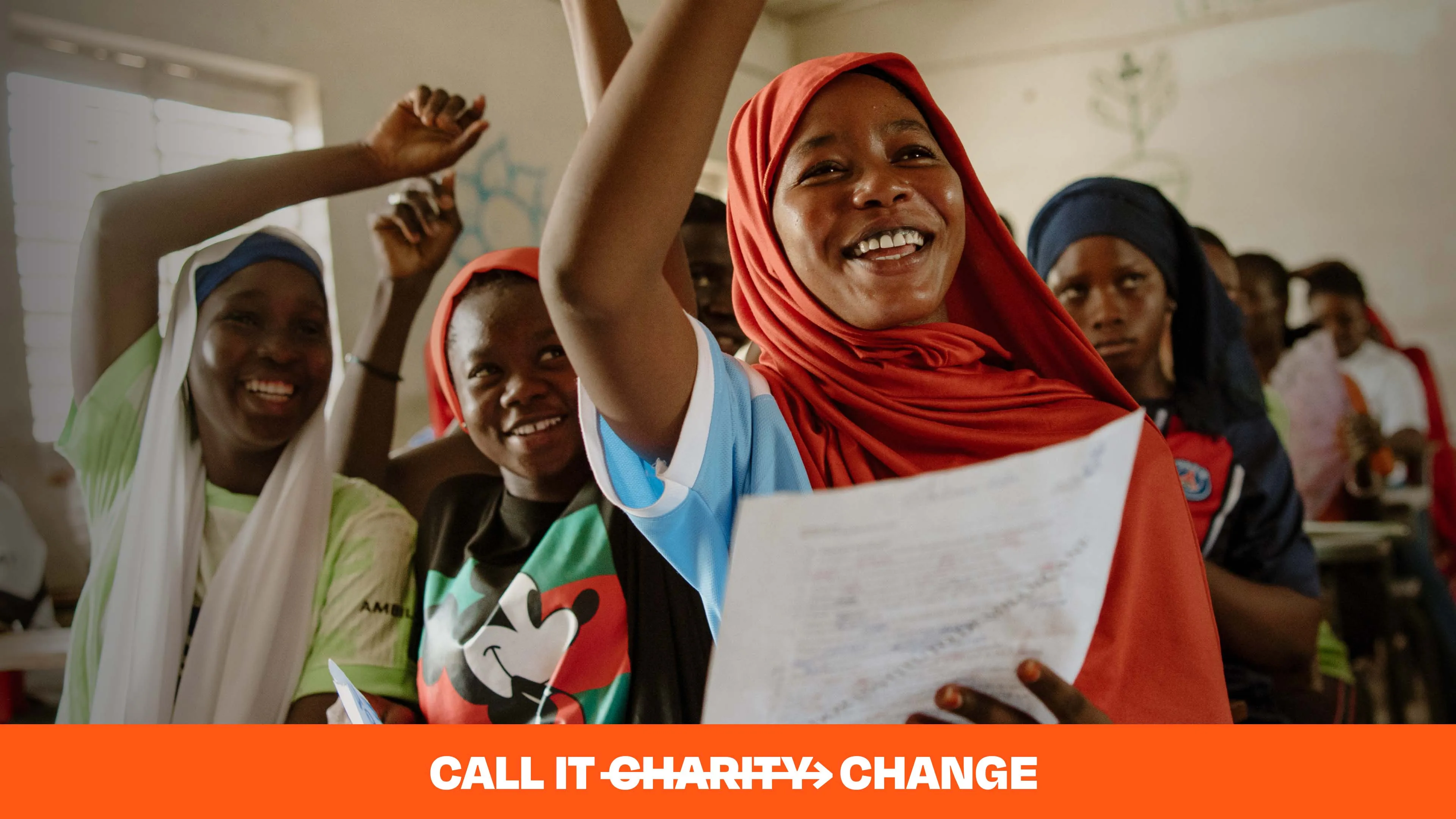
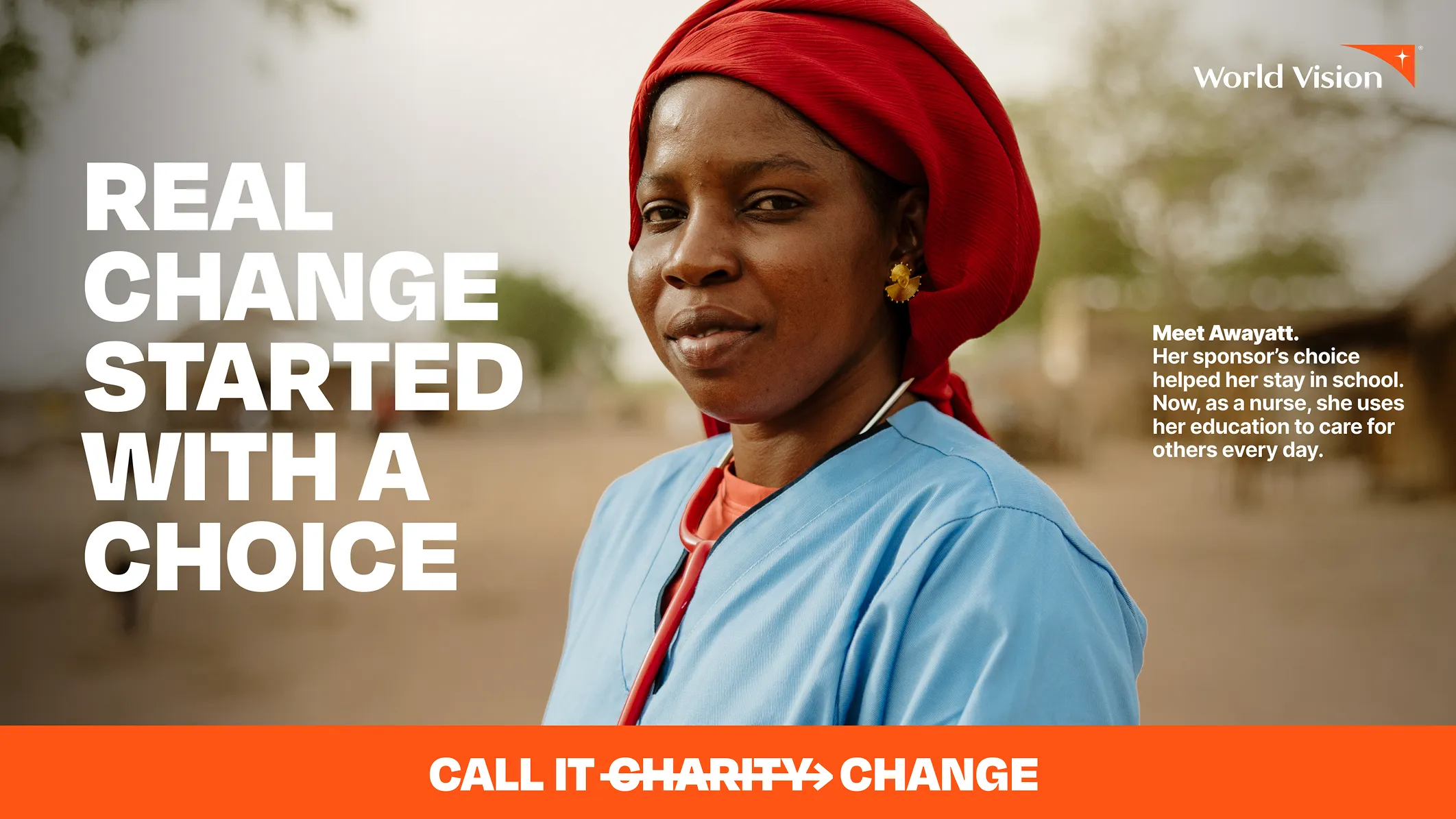
Don’t Call It Charity. Call It Change.
The phrase asked audiences to reconsider giving as participation in long-term transformation, connecting individual generosity to a future that communities build together over time. In a media environment saturated with urgent appeals, that reframe offered something audiences rarely encounter: a sense of collective hope oriented not toward the crisis of the moment but toward what sustained commitment can create.
We paired that invitation with a clear call to action.
With you, we can end extreme poverty one child, one community at a time.
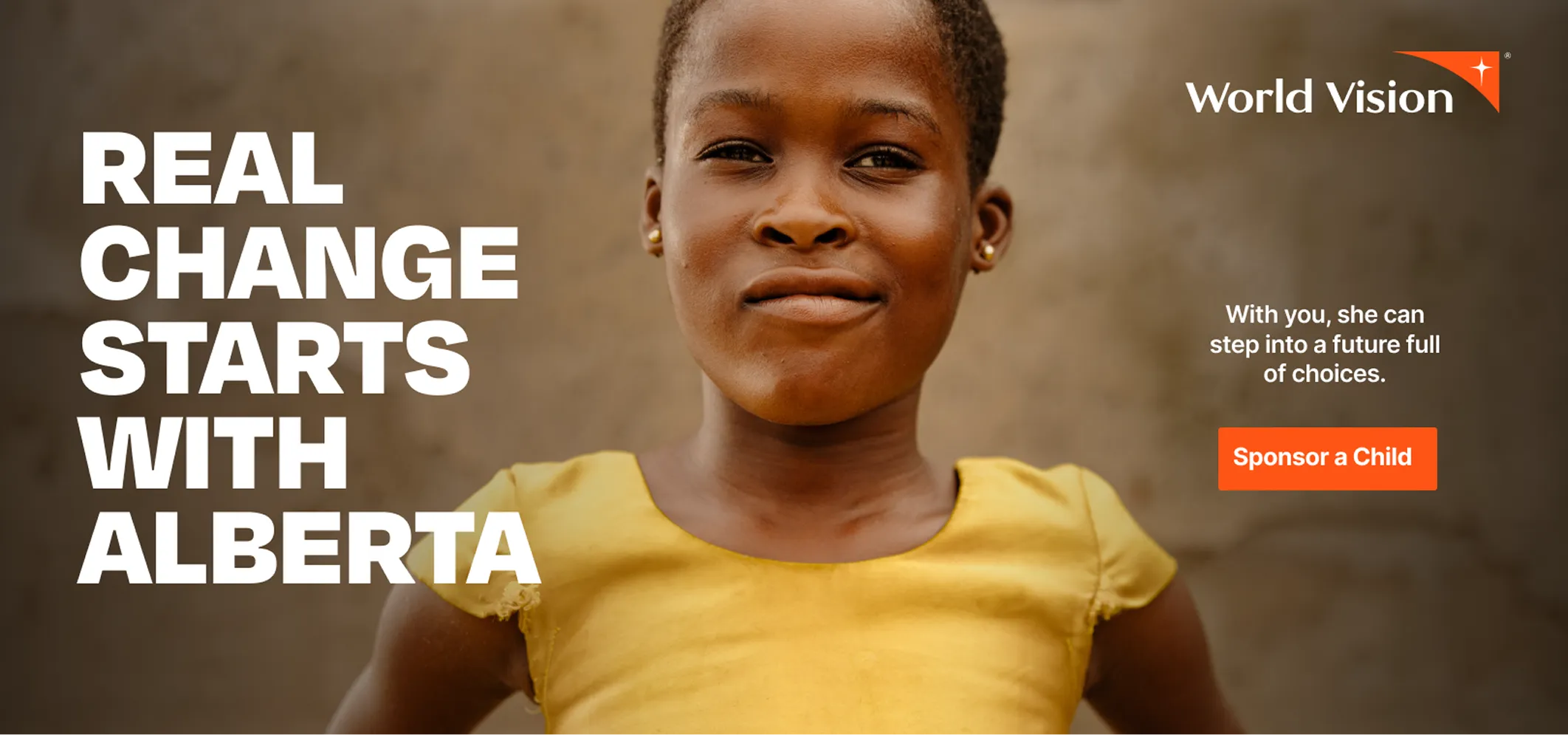
The invitation moved people from a question about what giving means to a concrete step they could take that same day. Sponsoring a child became the tangible entry point into work with a clear direction and a defined destination, a model that communities graduate from once they reach self-sufficiency.
Designing a Campaign for a Digital Culture
With the campaign concept established, the next challenge was designing an experience that could carry it across the varied and nonlinear ways people move through digital spaces. Curiosity, discovery, entertainment, conversation, and decision making all happen in the same environment, often within the same session. A modular messaging system allowed the campaign to meet people wherever they were in their relationship with the cause and move them naturally toward the next step.
Early in the campaign, video and social storytelling introduced the idea that real change was already taking root inside the communities World Vision supports. These were invitations into an ongoing story, placed where audiences were already discovering new thinking and following conversations around social impact.
As audiences moved deeper into the work, former sponsored children brought the campaign’s central idea to life in the most credible way possible. Their stories showed how sponsorship shapes not just an individual life but the wider community around it, and what that arc of change looks like across years. Seeing that arc built the emotional connection and the practical understanding that allowed audiences to see their own role clearly. From there, the call to sponsor a child arrived not as an ask but as a natural next step in a story they had already begun to follow.
For organizations carrying long-term missions into public conversation, this is one of the harder creative challenges: helping people feel the urgency of now while also trusting in a horizon they cannot yet see. The most effective way we’ve found to bridge that gap is to give audiences a real human story to follow, a framework that makes the model understandable, and a role that feels like it matters beyond the moment of giving.



“We brought a complex challenge to the OX team, which was to craft an evergreen/always on campaign for child sponsorship that could be used across global markets with ease. OX was able to take and digest the challenge and bring forward a creative, modular concept that was still shaped around the human stories and change.” Director, Brand Storytelling
- #1 for DistinctivenessThe most distinctive concept tested across four global markets.